IVF Basics: What to Expect From an IVF Cycle Step by Step
New to IVF? Here is a straightforward walkthrough of each stage of a typical in-vitro fertilisation cycle, so you know what happens and why.
Read more →Accredited fertility care in India
Compare accredited Indian fertility clinics, understand your IVF cost in your own currency, and follow a clear, country-specific plan for in-vitro fertilisation, medical visas, travel and treatment.
Recognised by India's leading publications
Our partner clinics in India have been honoured by national media for clinical excellence — 10,000+ pregnancies and an 80% success rate across 100+ centres.




In-vitro fertilisation explained
IVF (in-vitro fertilisation) is the most established assisted-reproduction treatment. Eggs are collected from the ovaries, fertilised with sperm in the laboratory, and a resulting embryo is transferred to the uterus. It is a proven path to pregnancy for many causes of infertility — and it can be tailored with ICSI, donor eggs or sperm, frozen embryo transfer and genetic testing when your situation calls for it.
Guidance focused on registered, accredited Indian fertility centres with experienced embryology teams.
Indicative cost estimates per cycle in your local currency and USD — itemised and verified with the clinic.
Care delivered in English, with interpreter and regional-language support available on request.
From remote consultation to visa, travel, treatment and embryo transfer — one clear plan.
The IVF process, step by step
Every treatment plan is personal, but a typical IVF cycle follows the same clear stages — from ovarian stimulation and egg retrieval through fertilisation in the lab to embryo transfer and your pregnancy test.
Daily hormone injections encourage the ovaries to mature several eggs, tracked with ultrasound scans and blood tests.
Mature eggs are collected in a short procedure under sedation — also called egg collection or egg harvesting.
Eggs and sperm are combined, or a single sperm is injected into each egg with ICSI, then embryos are cultured for a few days.
A healthy embryo is placed in the uterus; surplus embryos can be frozen for a later frozen embryo transfer (FET).
For international patients, the cost of IVF in India commonly starts from an indicative USD 2,700–4,500 per cycle before medication — often a fraction of comparable private care in the Gulf, Africa or the West. Your full IVF cost depends on the clinic, your protocol and any add-ons such as ICSI, donor eggs or genetic testing (PGT).
We show cost estimates in your own currency on every country page so you can plan a realistic budget. Always ask each clinic for a written, itemised quote. (All prices are estimates to verify.)
IVF success rates depend on age, diagnosis, embryo quality and whether a fresh or frozen embryo transfer is used, so no clinic can promise a guaranteed result. Success is reported per cycle and per embryo transfer, and the chance of a pregnancy usually rises over more than one attempt.
Ask each accredited centre for its published success rate for your age group and treatment type — a clear, honest figure is a better sign than a single headline number.
Treatments
From conventional IVF and ICSI to IUI, egg donation, frozen embryo transfer and genetic testing — matched to your diagnosis and goals.
The core treatment — ovarian stimulation, egg retrieval, fertilisation in the lab and embryo transfer.
Learn more → ICSIA single sperm injected directly into an egg — often used for male-factor infertility.
Learn more → IUIA simpler, lower-cost first step where prepared sperm is placed directly in the uterus.
Learn more → Egg DonationUsing screened donor eggs when needed — with careful matching and counselling support.
Learn more →Real families · Real babies
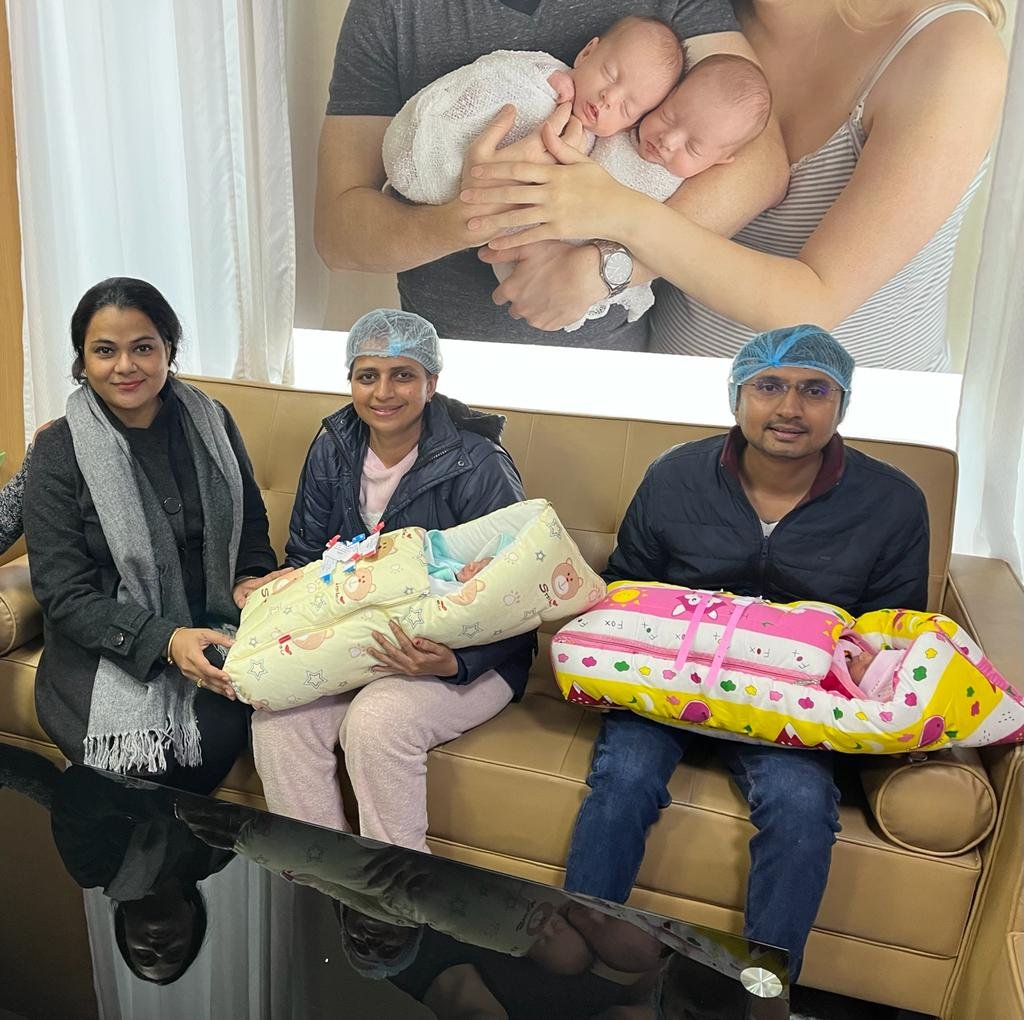
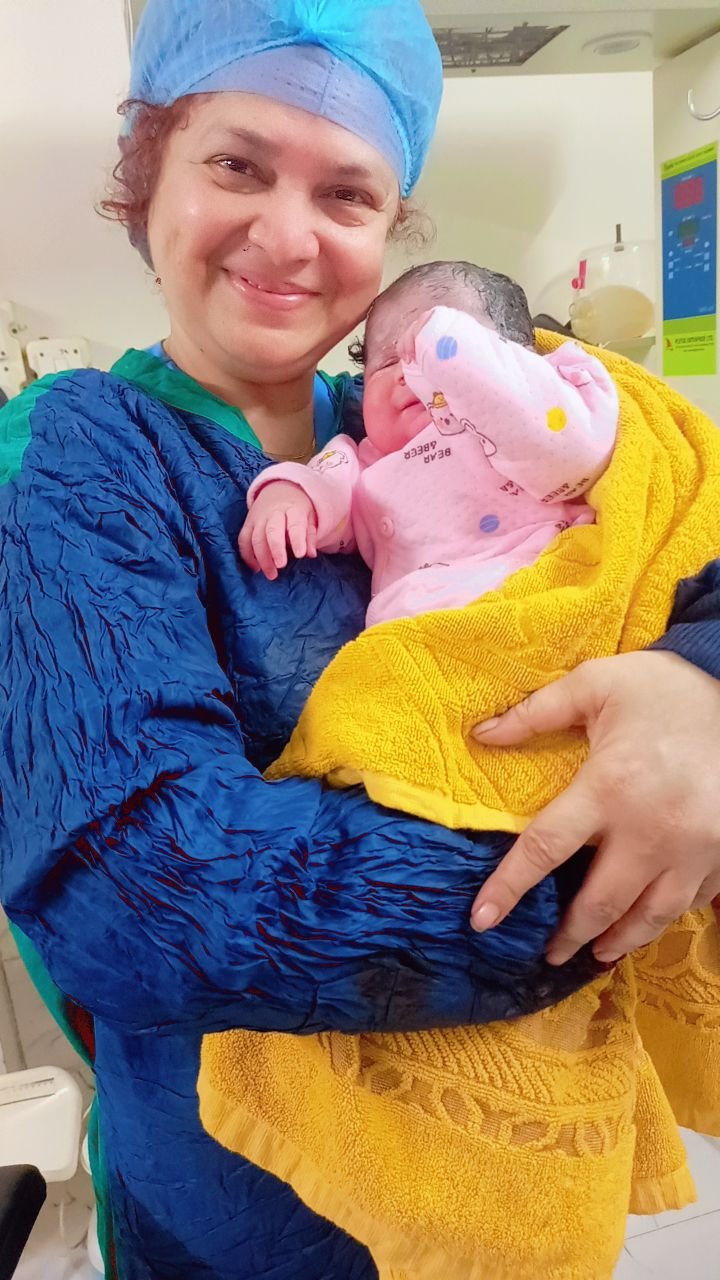
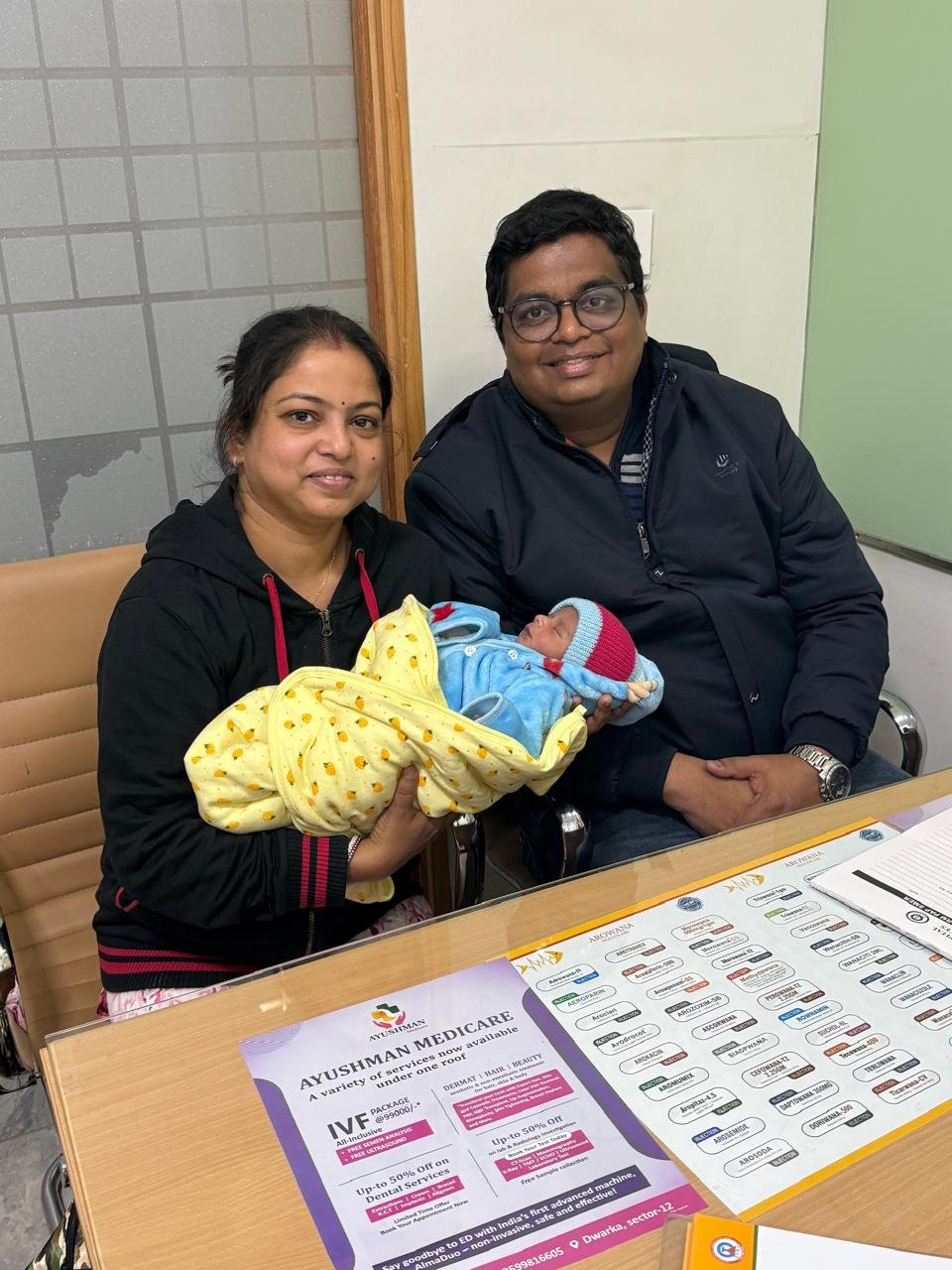
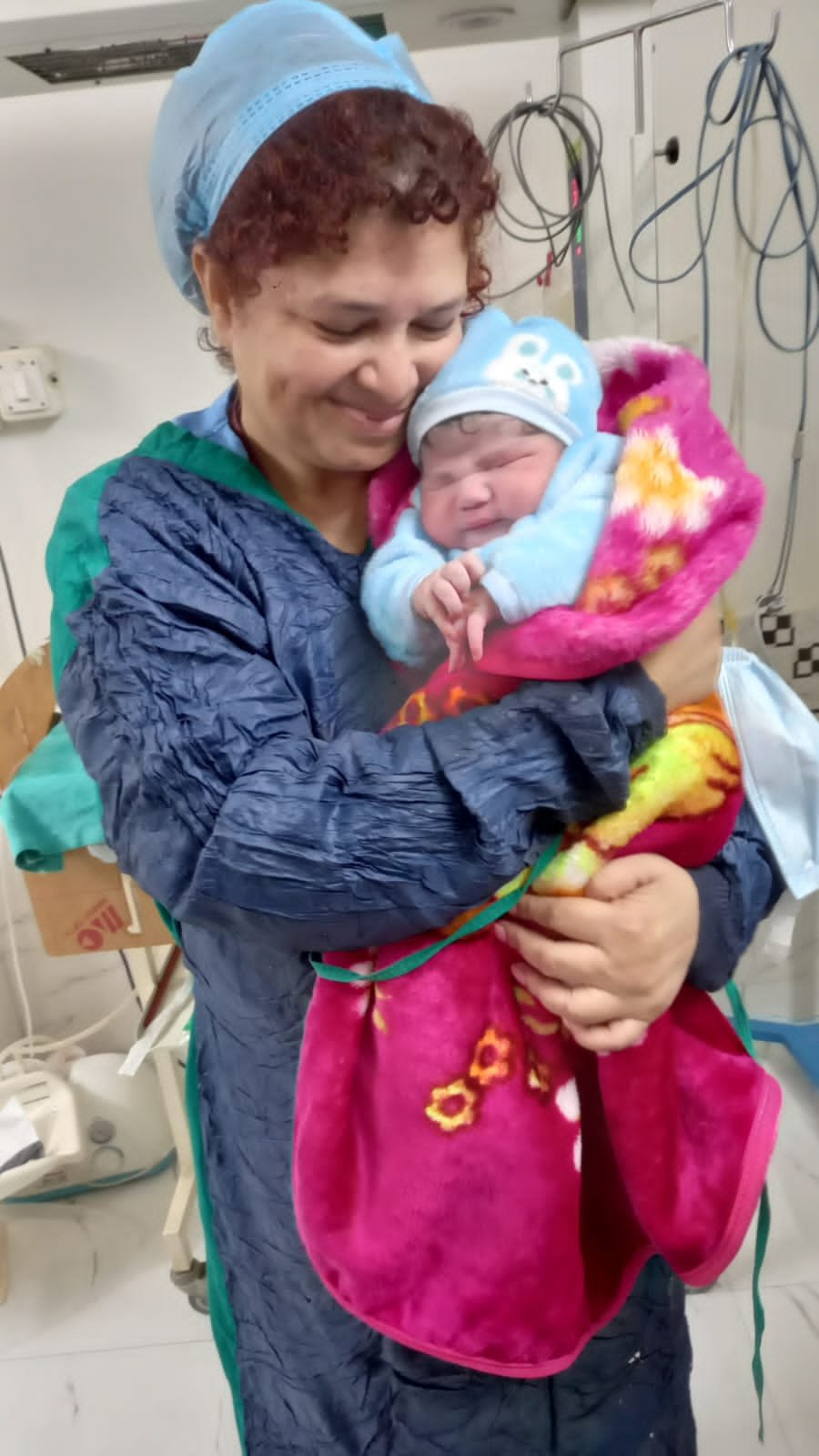
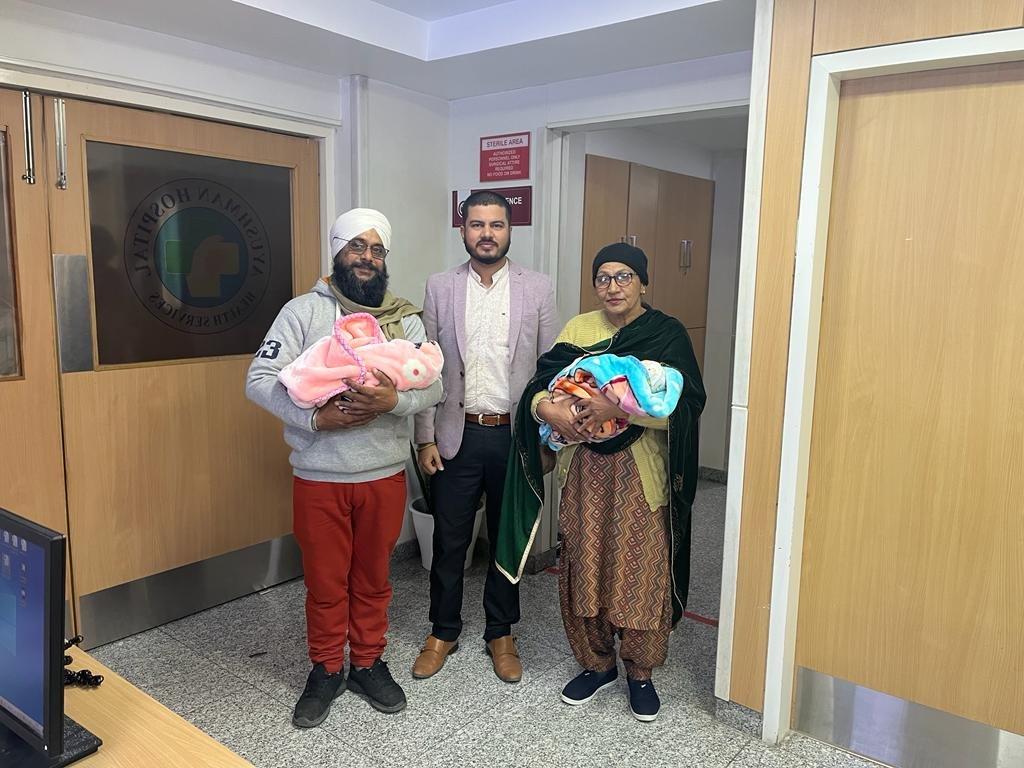
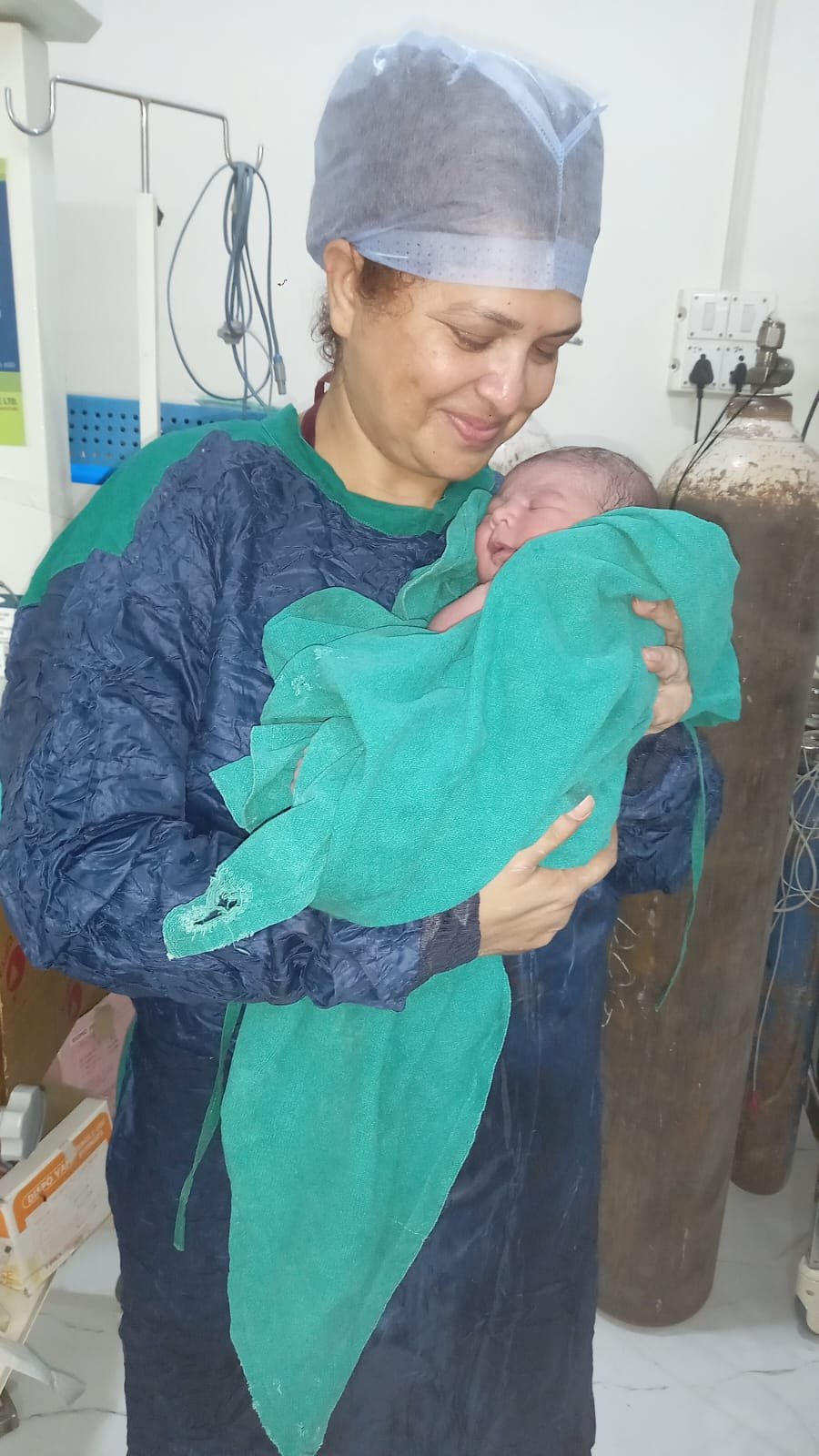
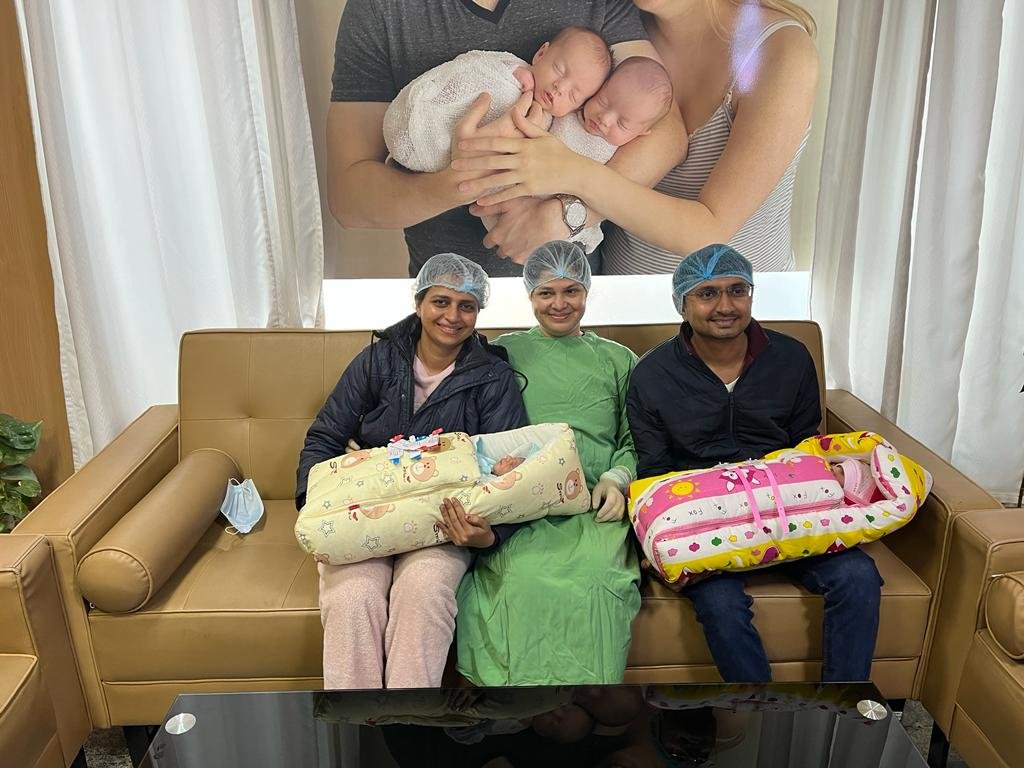
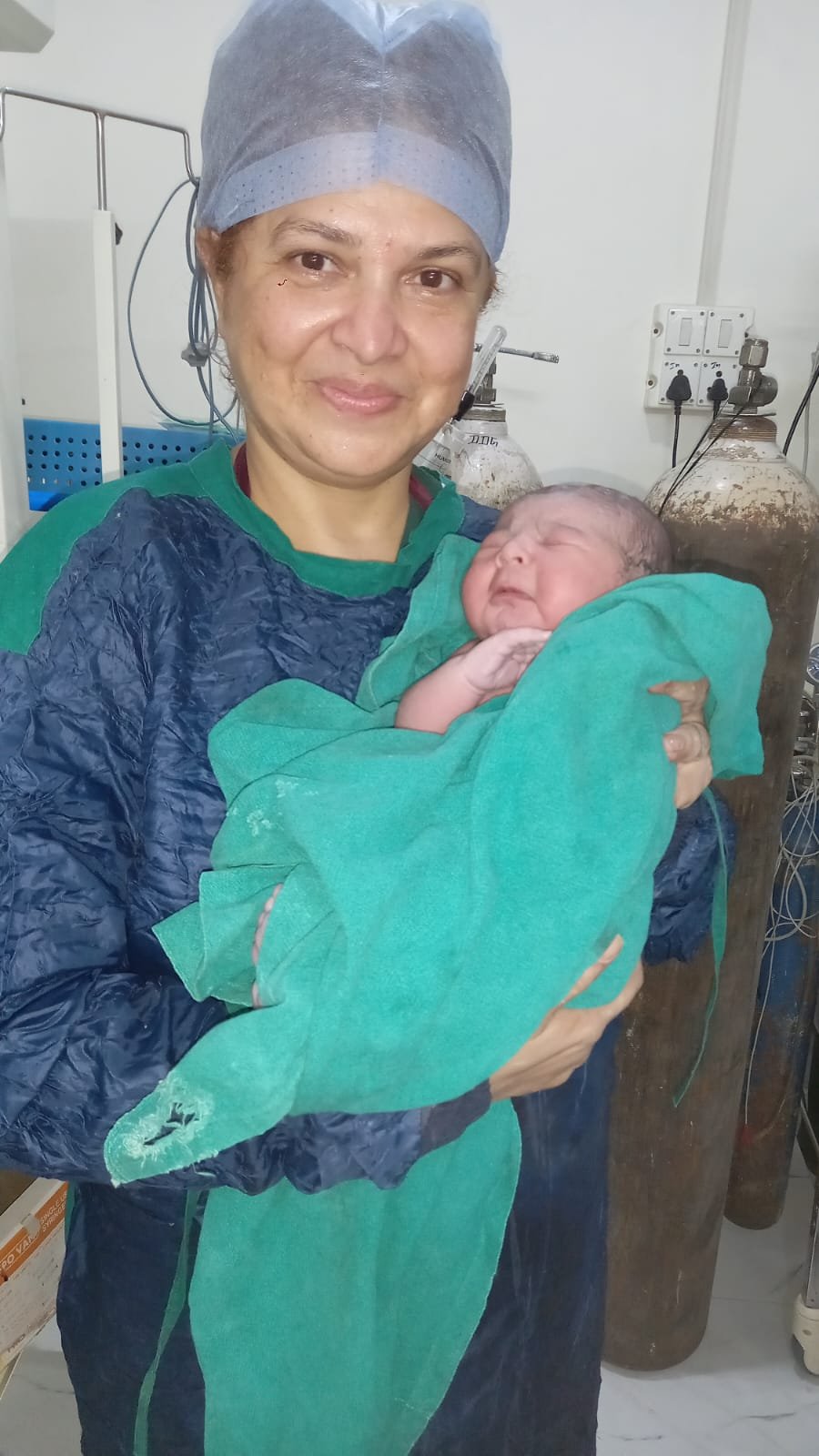
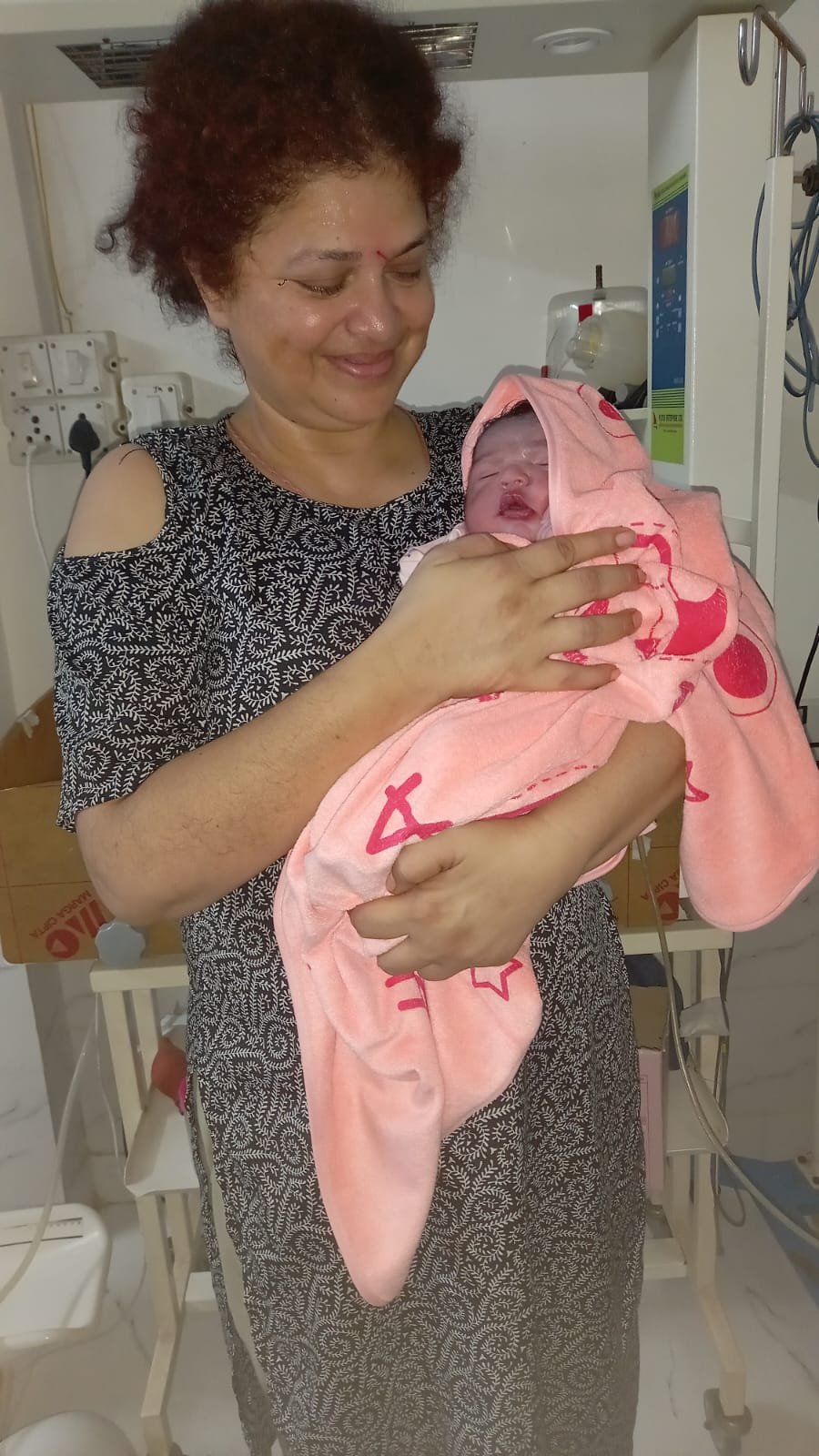
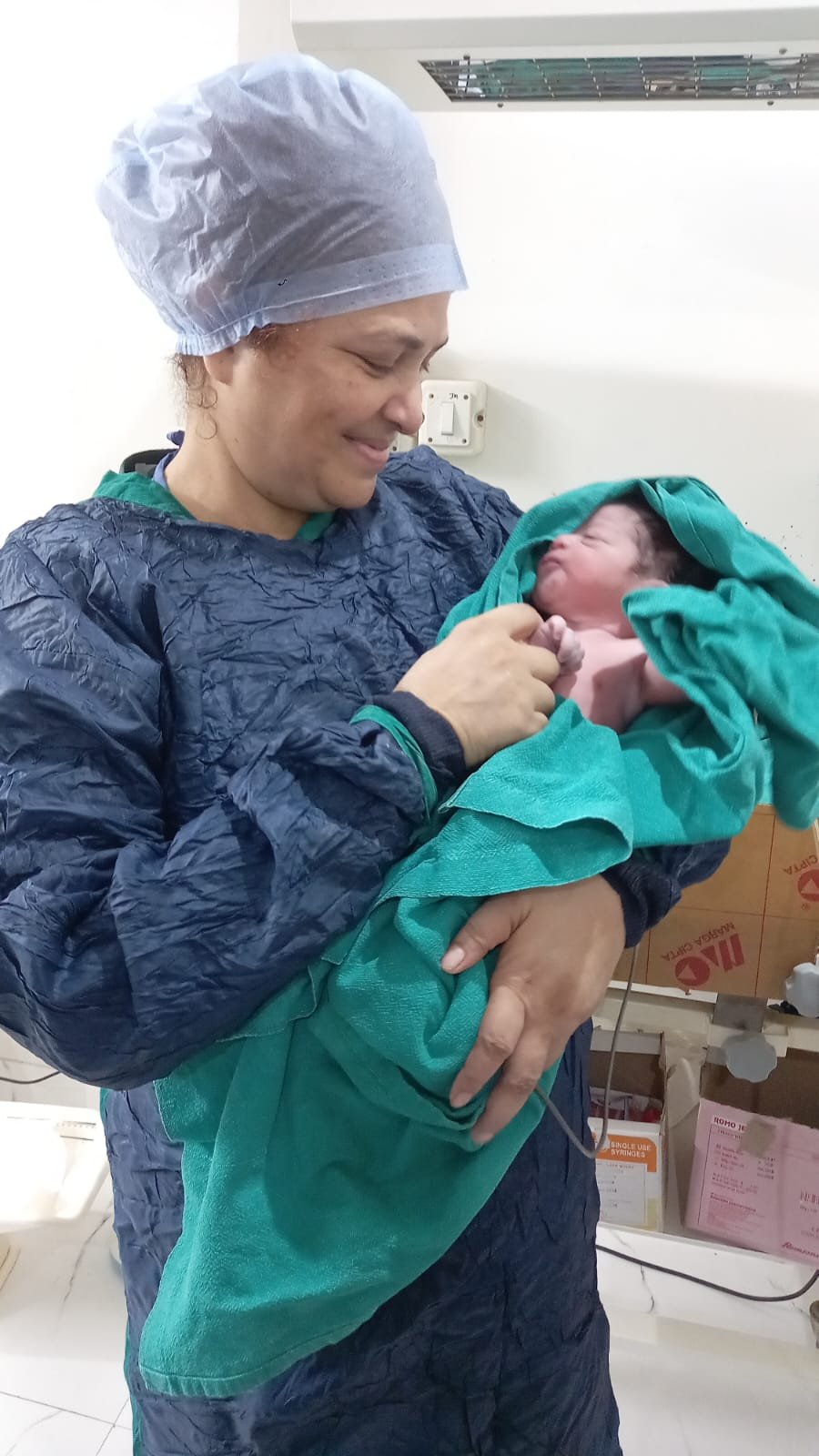
Behind every number is a family who came home with their baby. These are real moments from the fertility journeys made possible in India.
Choose your country
IVF costs in your currency, visa steps, travel notes and fertility blog guidance — in your primary language and English.
FAQ
Share your details and our team will help you plan affordable IVF treatment in India.