Cost & Planning — IVF in India for Sudan Patients
Placeholder summary for Sudan.
Read more →Accredited fertility care in India
This page is a general information resource for people from Sudan researching IVF and assisted-reproduction care at accredited clinics in India. It outlines typical steps and indicative costs; please verify current travel routes, entry rules, and what applies to your situation.
Recognised by India's leading publications
Our partner clinics in India have been honoured by national media for clinical excellence — 10,000+ pregnancies and an 80% success rate across 100+ centres.



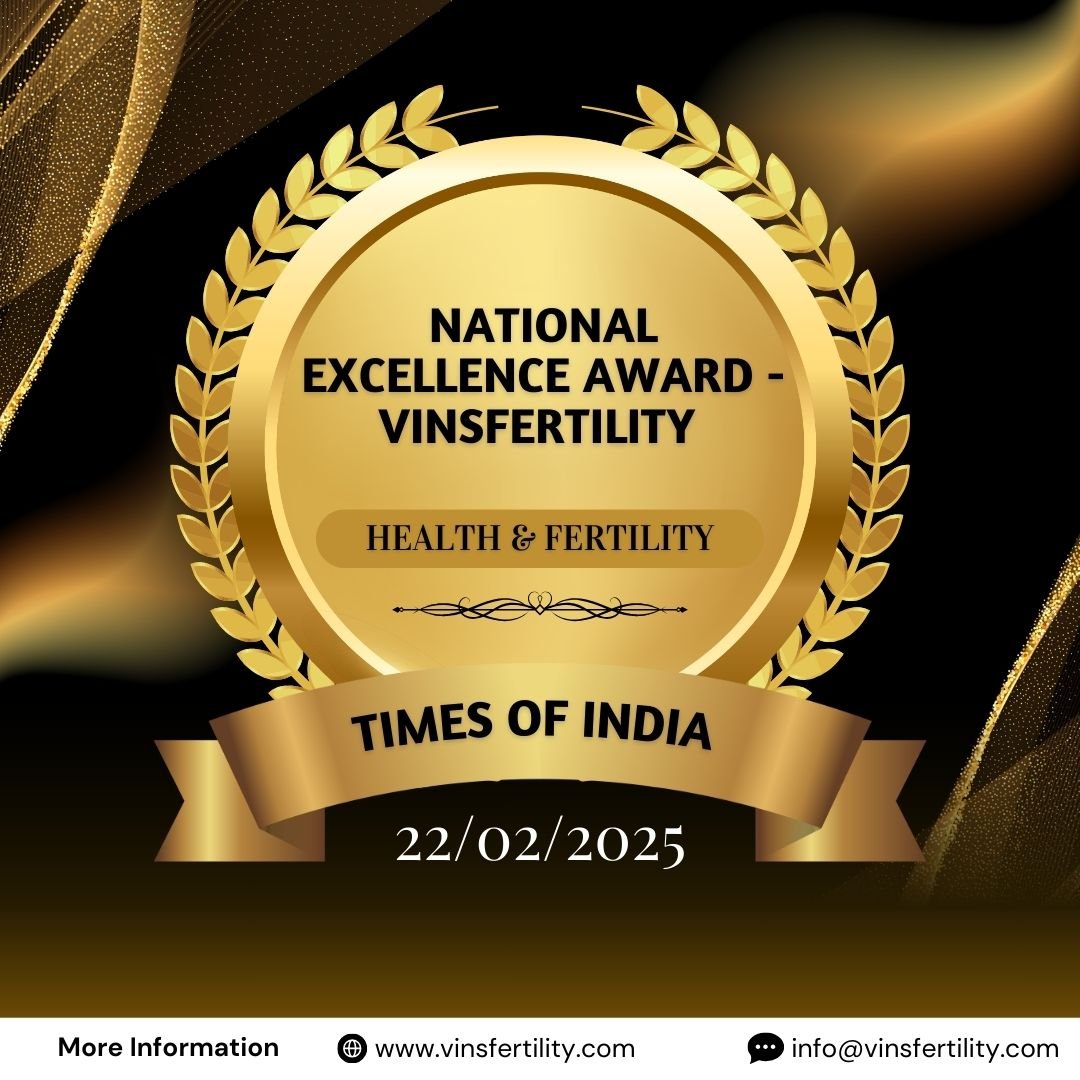
For readers from Sudan, this information page outlines why India is often considered for fertility care: accredited centres, experienced specialists, and clearly itemised estimates. Because circumstances affecting travel can change, the emphasis here is on understanding the typical pathway and questions to ask, rather than on marketing a specific outcome.
Figures are indicative placeholders per IVF cycle before medication and add-ons. Always request a written, itemised estimate from the clinic.
Share your history and reports for a remote consultation, so your treatment plan and travel window are set before you fly.
Fly from Khartoum International (KRT) — approx. 5 – 6 hours (routing varies) to Mumbai / Delhi. Clinics can advise on airport transfers and accommodation.
Medical-visa availability for Sudanese travellers can change with circumstances; confirm current entry rules and routing carefully before any planning.
Complete your stimulation, egg retrieval, laboratory fertilisation and embryo transfer at an accredited centre, with support throughout.
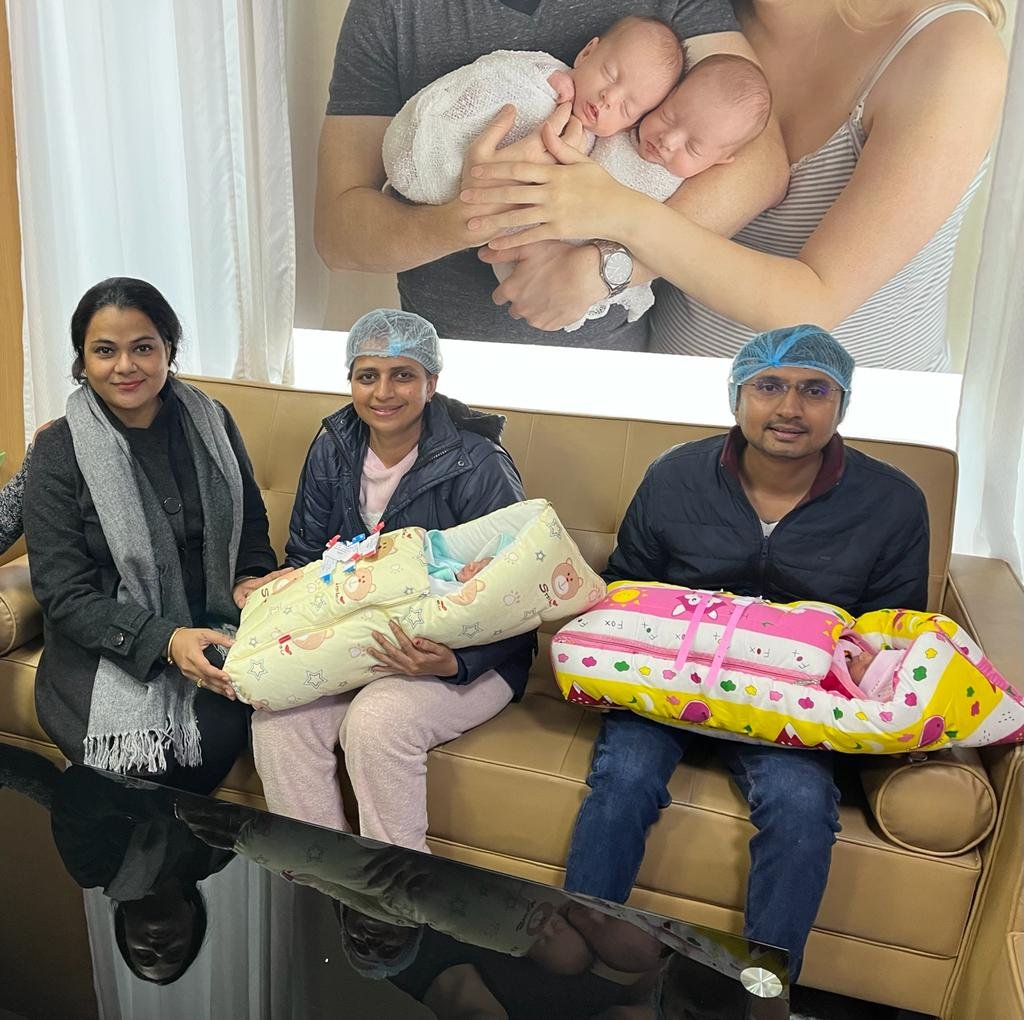
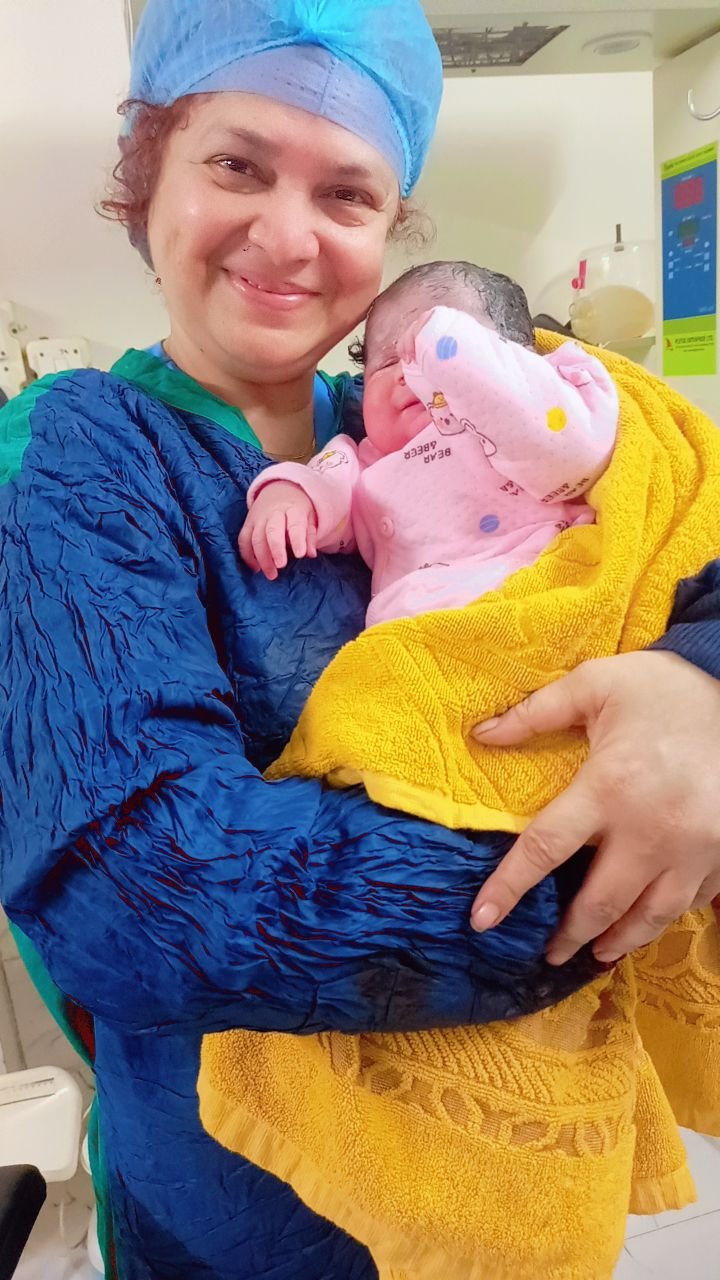
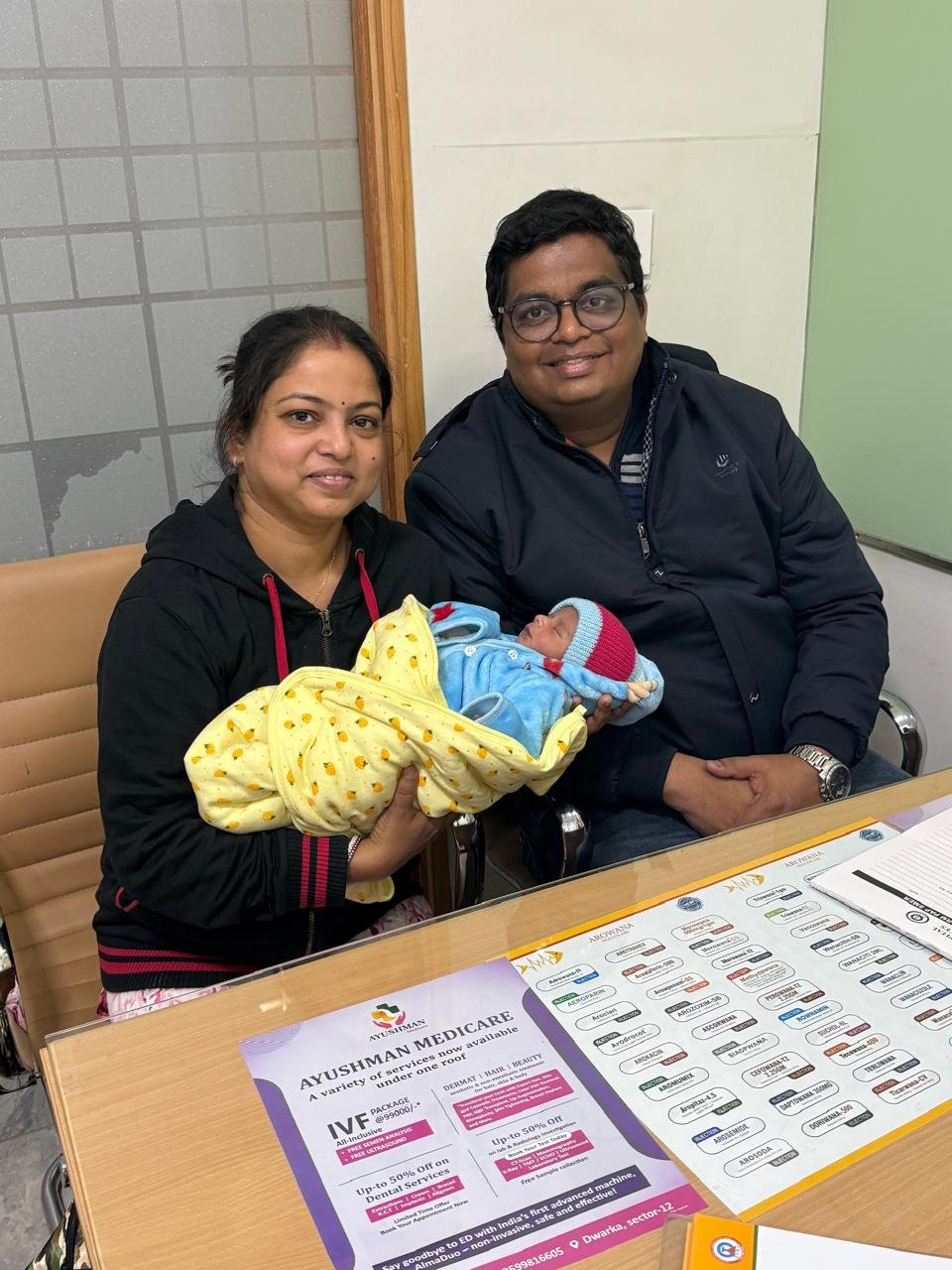
Real families · Real babies
Behind every number is a family who came home with their baby. These are real moments from the fertility journeys made possible in India.
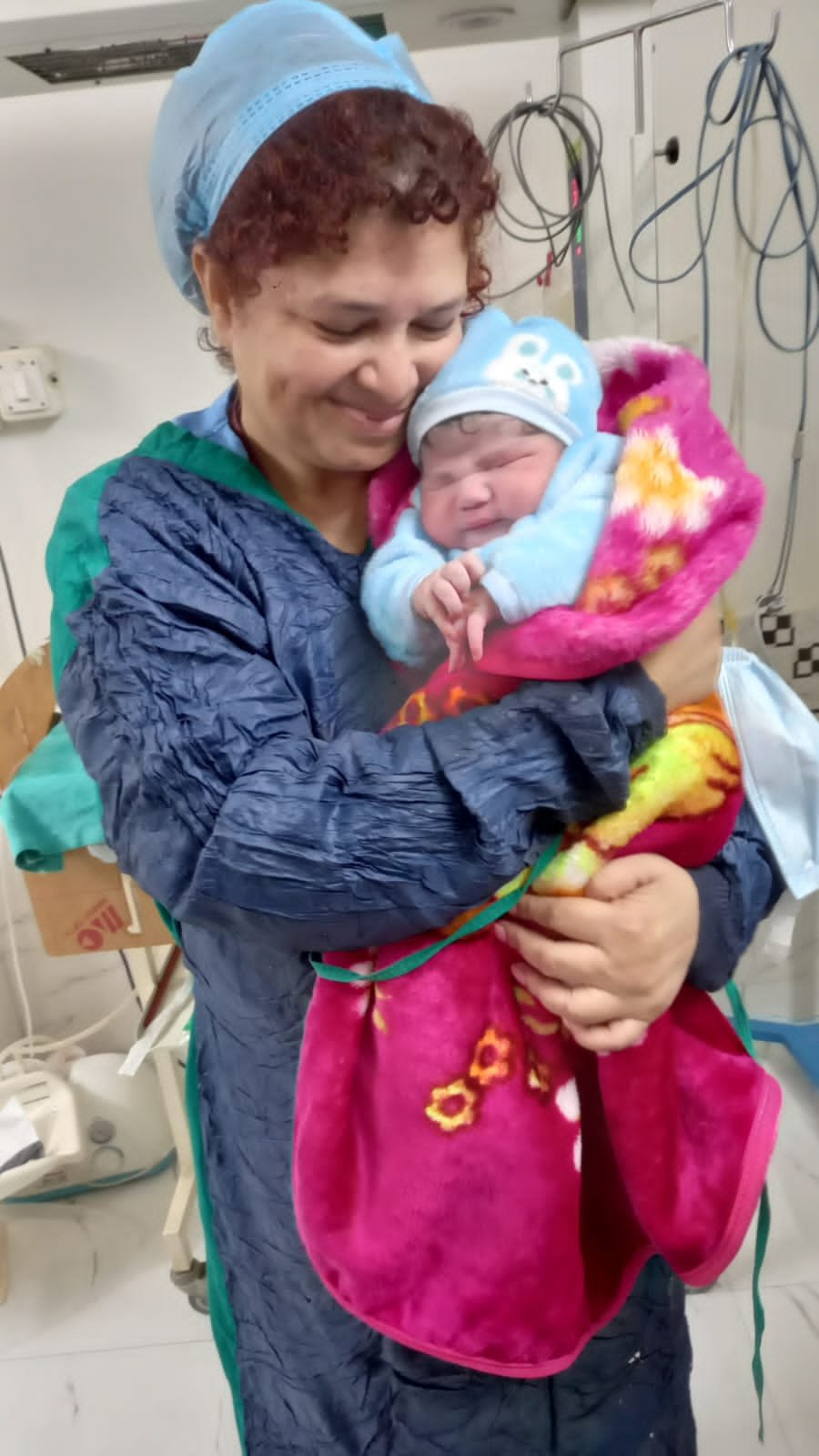
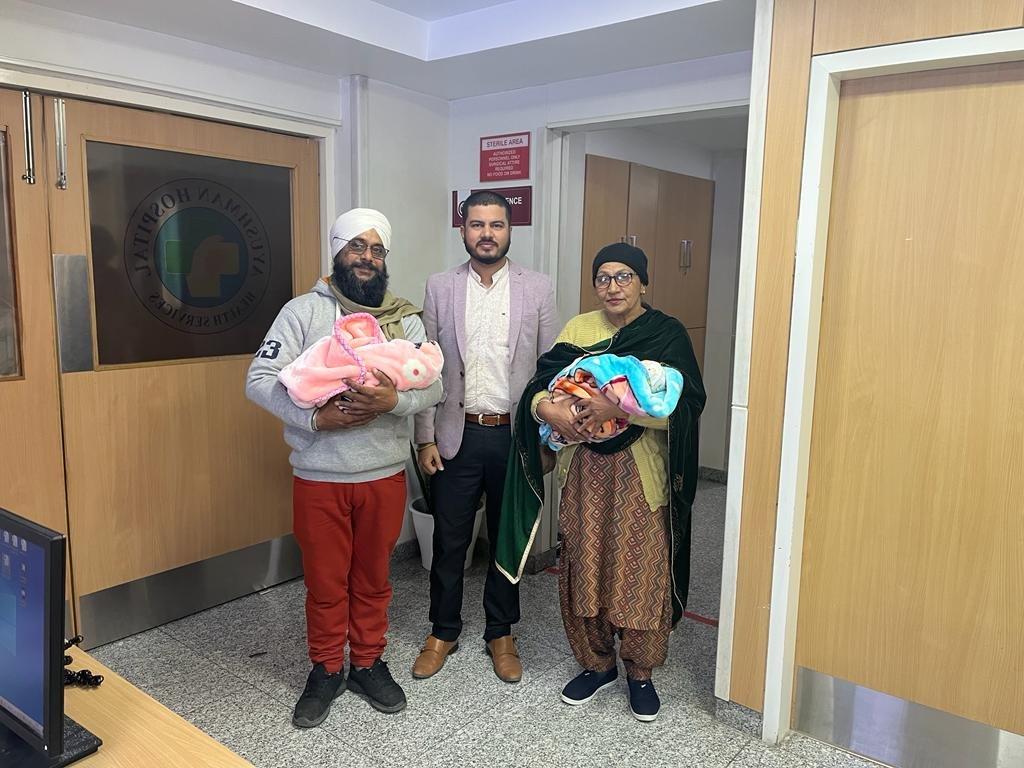
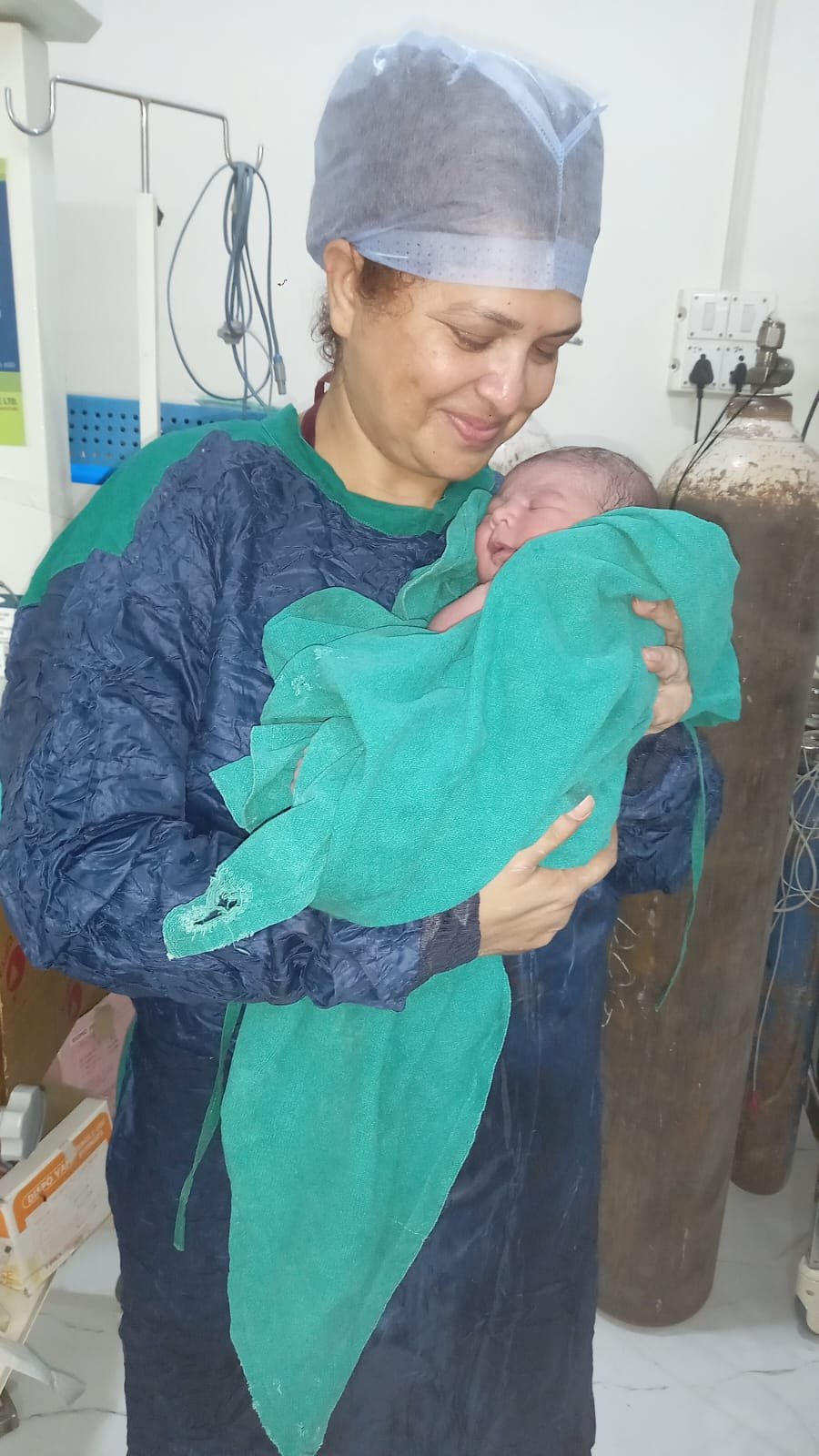
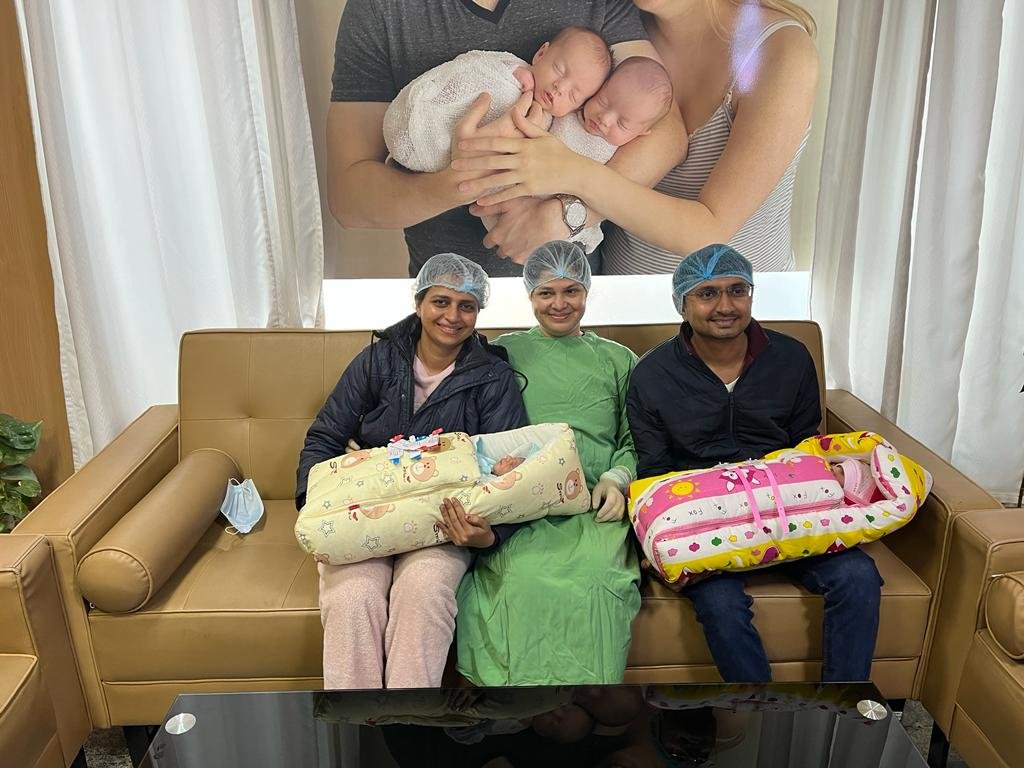
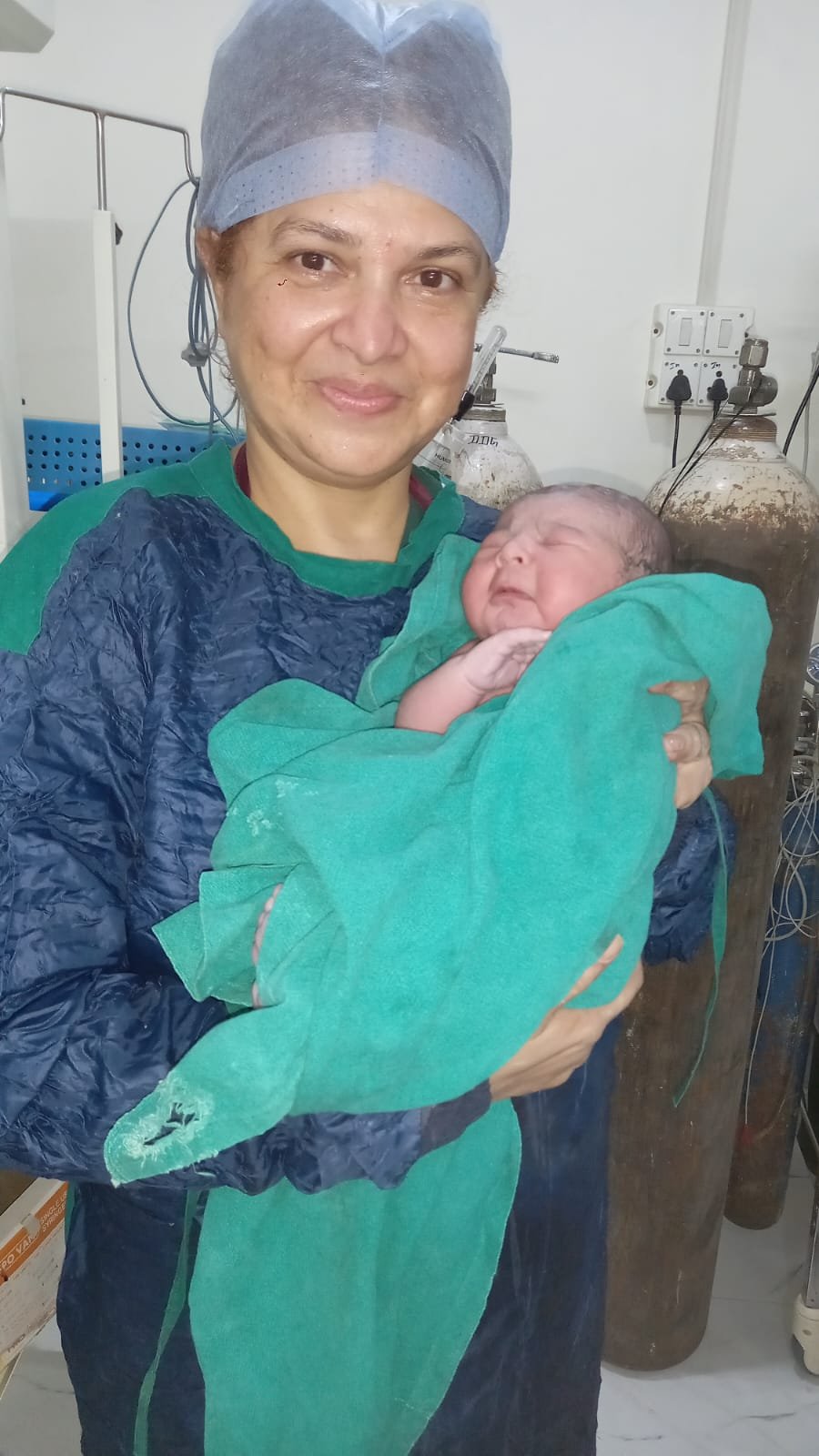
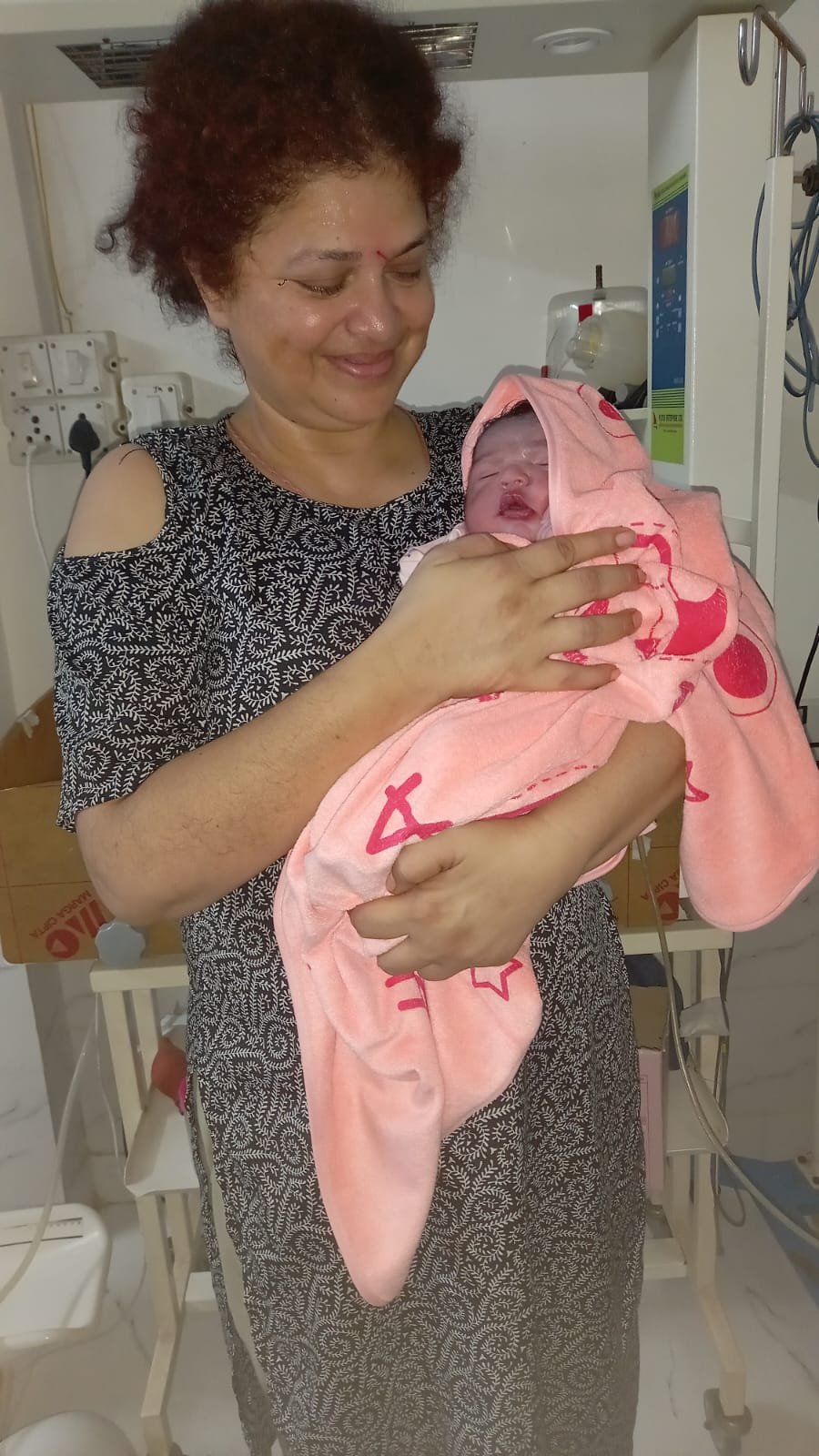
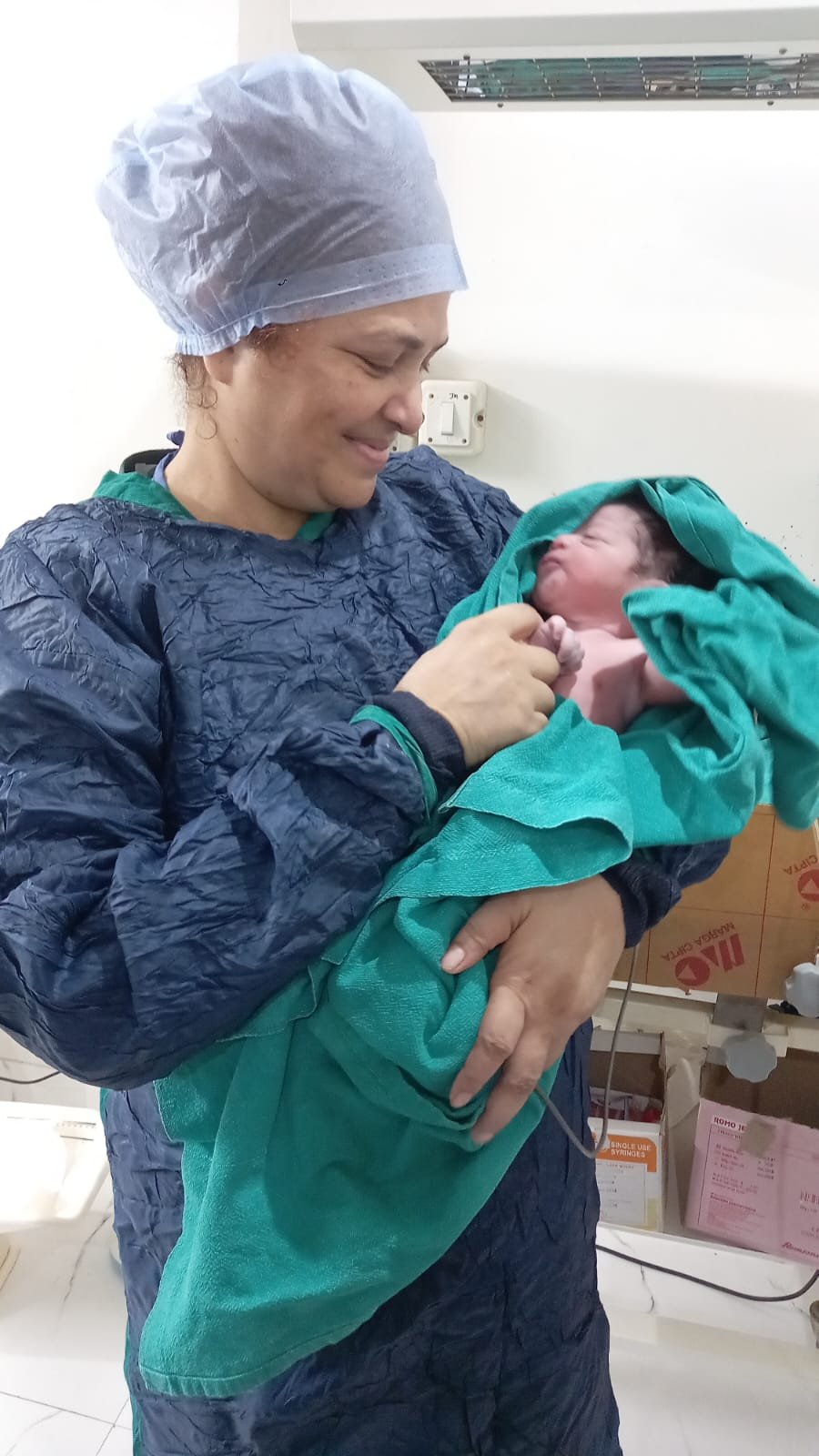
The core assisted-reproduction treatment: eggs and sperm are combined in the laboratory and an embryo is transferred to the uterus.
Learn more →A single healthy sperm is injected directly into each mature egg — often used for male-factor infertility.
Learn more →A less invasive, lower-cost option in which prepared sperm is placed directly into the uterus around ovulation.
Learn more →Uses eggs from a screened donor, an option when a patient's own eggs are unlikely to succeed.
Learn more →Uses sperm from a screened donor for severe male-factor infertility, or family-building situations where permitted by law.
Learn more →A previously frozen embryo is thawed and transferred in a later, simpler cycle.
Learn more →Freezing eggs, sperm or embryos to preserve future fertility, including before medical treatment.
Learn more →Pre-implantation genetic testing screens embryos for certain conditions before transfer.
Learn more →No. It is general information only. Please consult your own qualified medical and legal advisers before making any decision, and verify what applies to your situation.
Routing from Khartoum can vary and may involve a connection, and entry rules can change with circumstances. Verify current options and keep documentation organised before any planning.
Ask about accreditation and registration, the full itemised estimate, expected number of visits, language support, and how follow-up will be managed after you return home.
Routing from Khartoum to Indian cities varies and may involve a connection; travel times are commonly in the five-to-six-hour range where direct-ish links are available. Given that entry rules and routes can shift, verify current options carefully and keep documentation in order. Clinics can often arrange Arabic-speaking coordinators on request.